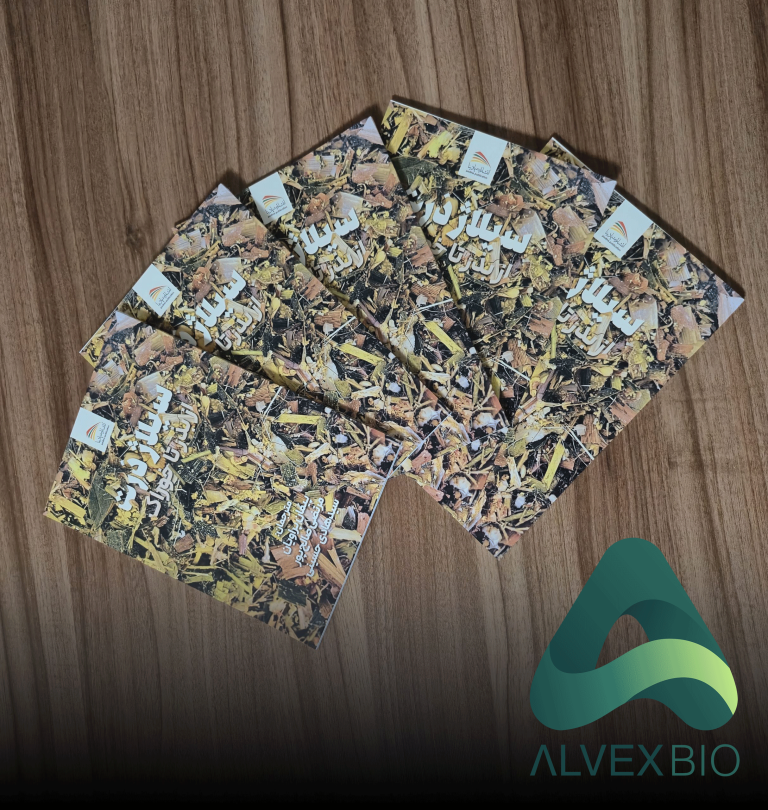
SILOTONE is the result of research and formulation by the R&D unit of Sarshar Zist Pharmed, developed following a research project conducted in collaboration with the Faculty of Agriculture at the University of Tehran.
The objective of this research project was to evaluate the effects of two factors—dry matter content and additives—on the quality, fermentation indices, and nutritional value of corn silage, compared with an imported sample (Ecosyl additive) under laboratory conditions. In this study, 16 experimental treatments were evaluated in a 4×4 factorial design based on a completely randomized design, with 8 replicates per treatment:
- Factor 1: Type of microbial silage additive
- Factor 2: Dry matter percentage of corn forage
Statistically, all microbial additives significantly reduced silage temperature compared to the control group, indicating a shorter aerobic phase due to the use of microbial additives. This can be considered a key advantage of microbial additives in improving silage within a short period. The effect of microbial additives on dry matter percentage, color, aroma, surface mold, ash content, crude protein, and ADF (Acid Detergent Fiber) in bagged silages was significant. Additionally, microbial inoculants increased crude protein content compared to the control group.
Improved microbial fermentation, enhanced microbial protein synthesis, and reduced proteolytic activity in corn forage silage are likely the main reasons for the improved protein content observed in silage treated with microbial additives. The second main factor—dry matter percentage of corn forage—also showed a highly significant effect on the dry matter content of silage across all stages.
Economic Importance of Using SILOTONE:
- Considering the unique benefits of silage and the fact that approximately 50% of dairy cow rations consist of forage, the use of additives is increasingly essential. In Iran, around 17 million tons of forage corn are cultivated annually. Assuming a 25% loss from harvest to feeding, this results in substantial hidden economic losses for livestock producers. Based on cultivated area and forage quality, and assuming at least 25% loss (similar to the United States), approximately 8 trillion tomans in indirect economic losses are incurred annually in the livestock sector.
- In SILOTONE, the effective bacterial count of selected strains has been validated through repeated testing to ensure optimal silage processing quality.
- The use of this product increases the cost per kilogram of forage corn only minimally (less than 0.3% of the silage cost), while significantly reducing dry matter losses and hidden costs, ultimately providing substantial economic benefits to farmers.
- With SILOTONE, silage can be opened and used in less than 20 days after filling, compared to the conventional 60-day period, while maintaining high quality for animal feeding.
- Additional benefits of SILOTONE include: significant reduction of mycotoxins, improved digestive health, enhanced animal health, and increased milk production.